https://bsky.app/profile/therightsoffans.bsky.social
The Fragile Democracy of Fan-Owned Football Clubs: A Cautionary Tale from Lewes FC.
At the heart of football democracy, particularly in community clubs like Lewes FC, lies a fragile truth: the fan-owned model is a delicate balance that requires careful stewardship. Yet, the club’s leadership appears to be jeopardizing this balance with a vision that is not only overly ambitious but potentially unachievable without significant financial compromise.
The £1 Million Plan: Lofty, Unrealistic, and Risky.
The proposed issuance of shares has been positioned as a bold step forward for the club. However, the £1 million target for these plans is wildly unrealistic. Even if this ambitious sum were raised, it would barely scratch the surface of what’s required to achieve the goals being laid out. Without clarity on how much more investment will ultimately be needed—or how the club intends to safeguard its fan-owned structure—this move risks destabilizing everything Lewes FC stands for.
While past financial mismanagement has created challenges, the focus now must be on the present. The Board’s plans, as outlined, appear to be a gamble on external investors whose involvement could dilute the club’s ethos. Fans who cherish the simple joy of supporting their community football team might find themselves sidelined in favour of a leadership chasing a vision of progress that no one asked for.
A Shift in Values
Statements from the Board suggest a significant departure from the values of fan ownership:
- “The holding company model facilitates the recruitment of skilled professionals and investors who can help steer the club towards greater success, offering access to business expertise that donations do not provide.”
- “The holding company structure allows the club to form strategic partnerships with investors, sponsors, and other clubs, opening up new revenue streams and growth opportunities.”
These comments raise red flags. Instead of engaging the fan base to strengthen the existing model, this approach opens the door for private investors to gain influence. Will their voices carry the same weight as those of loyal fans paying £50 annually? The implied answer is no. This initiative feels less like empowering fans and more like inviting outsiders to shape the club’s future.
Fan Ownership at Risk
Allowing private investors to purchase a stake in the club, no matter how small, fundamentally contradicts the claim of “100% fan ownership.” This shift risks undermining the democratic principles that make Lewes FC unique. The suggestion that new investors could attract additional funding might sound appealing, but it’s a slippery slope. Financial backers typically come with priorities that may not align with the club’s ethos, and their influence could grow over time.
The £1 million goal is not only insufficient to realize these grand plans but also indicative of a disconnect between the board’s ambitions and the reality of the club’s finances. Without a clear, transparent roadmap and safeguards to preserve fan ownership, this move could pave the way for greater external control.
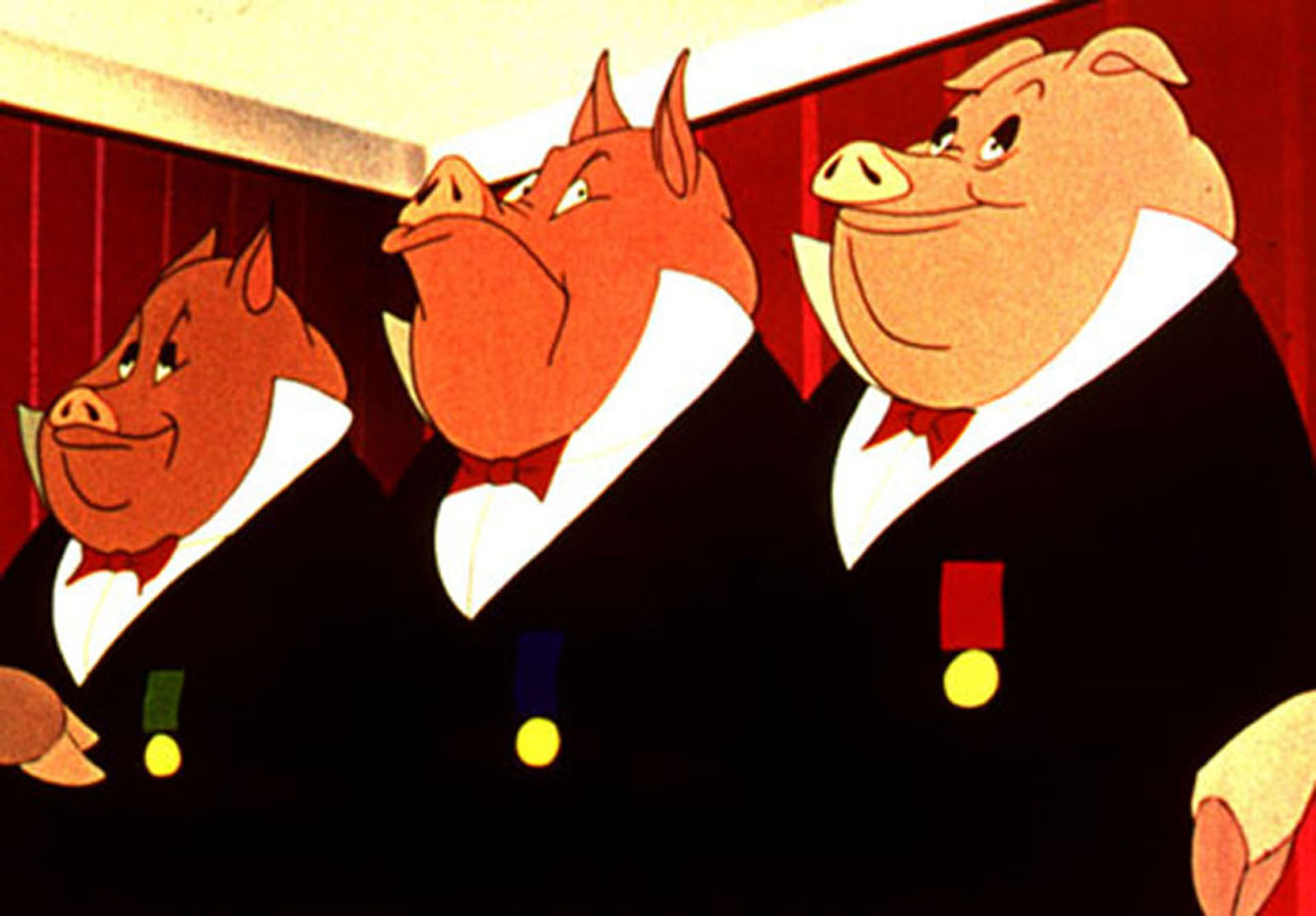
Learning from Orwell’s Animal Farm
George Orwell’s Animal Farm provides a fitting analogy. The farm’s rebellion began with the principle:
“All animals are equal.”
Over time, this was corrupted into:
“All animals are equal, but some animals are more equal than others.”
Here is an analogy. Mr. Pygg buys £250,000 worth of shares. Mr. Pygg intimates he has business colleagues happy to invest £1.5 million if the share issue is expanded by another 15%. He suggests this investment will be more forthcoming if the club agrees to put in turnstiles at the Ham End. At this point, the great plan for expansion will have failed, and Lewes FC is hanging on for dear life. Realistically, the Board will put the proposal of a bailout to the members, who will accept it. Investors shares 10% to 25%.
The new turnstile will go in, and Mrs. Lamb, who has campaigned for years for a new turnstile at the Philcox but only pays her £50 a year, will be ignored, even though it is a better idea, and the new investors will have bought their wishes and influenced the outcome. The end result is Lewes FC continues a managed decline to private ownership, and fan ownership perishes. This plan will see the Orwellian reality of a peaceful existence corrupted by money and power.
Lewes FC now faces a similar turning point. While the leadership publicly defends the fan-owned model, their actions suggest otherwise. If these plans proceed unchecked, fans will find themselves relegated to the sidelines as private investors take the reins.
Protecting the Club’s Future
The challenge for Lewes FC is not simply raising funds but doing so in a way that protects its democratic foundations. The Board’s plans, as they stand, risk dismantling the very structure that has defined the club. Transparency, clear boundaries, and robust safeguards, none of which are evident, are essential to ensuring that fan ownership remains at the heart of the club.
Ambition is not inherently bad, but it must be grounded in reality. The current £1 million target is not enough to achieve the proposed vision without further external investment. This raises serious concerns about how much control the club is willing to relinquish to achieve its goals—and at what cost to its identity.
Coming soon The Lewes FC Orwellian Dystopia? ‘Investment Good. Donations Bad.’ Part 2

 The Rights of Fans.