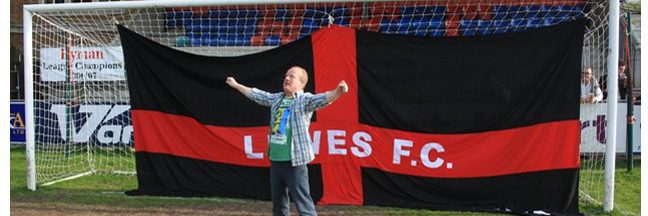

The proposed share issue at Lewes FC has highlighted significant flaws in the consultation process, especially for a fan-owned football club, where democratic engagement and inclusivity should be at the heart of decision-making. The current process has been woefully inadequate, raising concerns about transparency and the club’s commitment to its members and wider stakeholders.
We were discussing yesterday whether the club might already have a group of investors lined up, making this process feel like nothing more than a tick-box exercise to satisfy the FSA. It gave the impression that the outcome didn’t actually matter, as the whole consultation came across as poorly executed and superficial.
A glaring issue is the limited engagement of members. Despite having 3,000 members, only a fraction participated in the consultation, with attendance at the last two online meetings dwindling to just 15 people. This extremely low turnout suggests that the process did not resonate with members, was poorly communicated and executed. A robust consultation should engage a meaningful proportion of the membership to ensure decisions reflect the collective will.
The inconsistent communication further exacerbates the problem. Sending unclear emails confused members, undermining trust and reducing the likelihood of participation. For an issue as significant as a share issue and the establishment of a non-executive board, clear, consistent, and accessible communication is vital to build confidence and encourage active involvement. The Supporters Club snap poll showed 60% of participants were confused by the club output.
The most frustrating part is that if the club had handled this properly, it could have significantly raised awareness. Is there any better way to sell shares than by ensuring everyone is informed and engaged in the process? Moreover, the narrow focus on members to the exclusion of non-members is a significant oversight.
What is so insulting to the 50% or so of the club’s match attendees are not members, yet they contribute financially through ticket sales, merchandise purchases, and other spending that directly supports the club’s operations. While these individuals may lack voting rights, their input and money is invaluable, and excluding them from the consultation misses an opportunity to engage a broader base of stakeholders who have a vested interest in the club’s future.
Non-members, while not formal stakeholders, could provide valuable insights and ideas, and consulting them would show respect for their contributions while fostering a sense of inclusivity. Highlighting the benefits of membership during this process could also encourage non-members to join, further strengthening the club’s democratic foundation.
The methods employed during the consultation process were also insufficient. Sole reliance on email and online meetings excludes those who may not check emails regularly or who face technical barriers. This approach limits accessibility and fails to provide a comprehensive view of members’ opinions. Effective consultations should offer multiple channels for engagement, ensuring inclusivity and encouraging participation across diverse demographics.
Improving communication should have been a priority. Consistent messaging through multiple channels, including email, social media, the club’s website, matchday programs, and even physical mail, would have ensured that all stakeholders were well-informed. Clear explanations of the purpose, benefits, and potential implications of the share issue and non-executive board would have built understanding and trust. Providing FAQs and accessible summaries would have further supported engagement. The last meeting, that was woefully attended, the club did not even send out an email prior to it,
The club should have offered more opportunities for meaningful participation. In person meetings at the stadium or other accessible locations could have reached those who prefer face to face discussions. Online and hybrid options should have been better publicised, recorded, and scheduled at various times to accommodate members’ diverse schedules. Surveys and polls distributed to members and non-members alike would have provided structured feedback and demonstrated that the club values the input of all stakeholders.
Extending the consultation period would have allowed members more time to understand the proposals and provide thoughtful feedback. Rushing such an important process undermines its legitimacy and risks alienating members and fans. Using matchdays to distribute flyers, engage directly with attendees, or setting up an information booth in one of the huts, could have promoted participation and increased awareness.

 The Rights of Fans.