
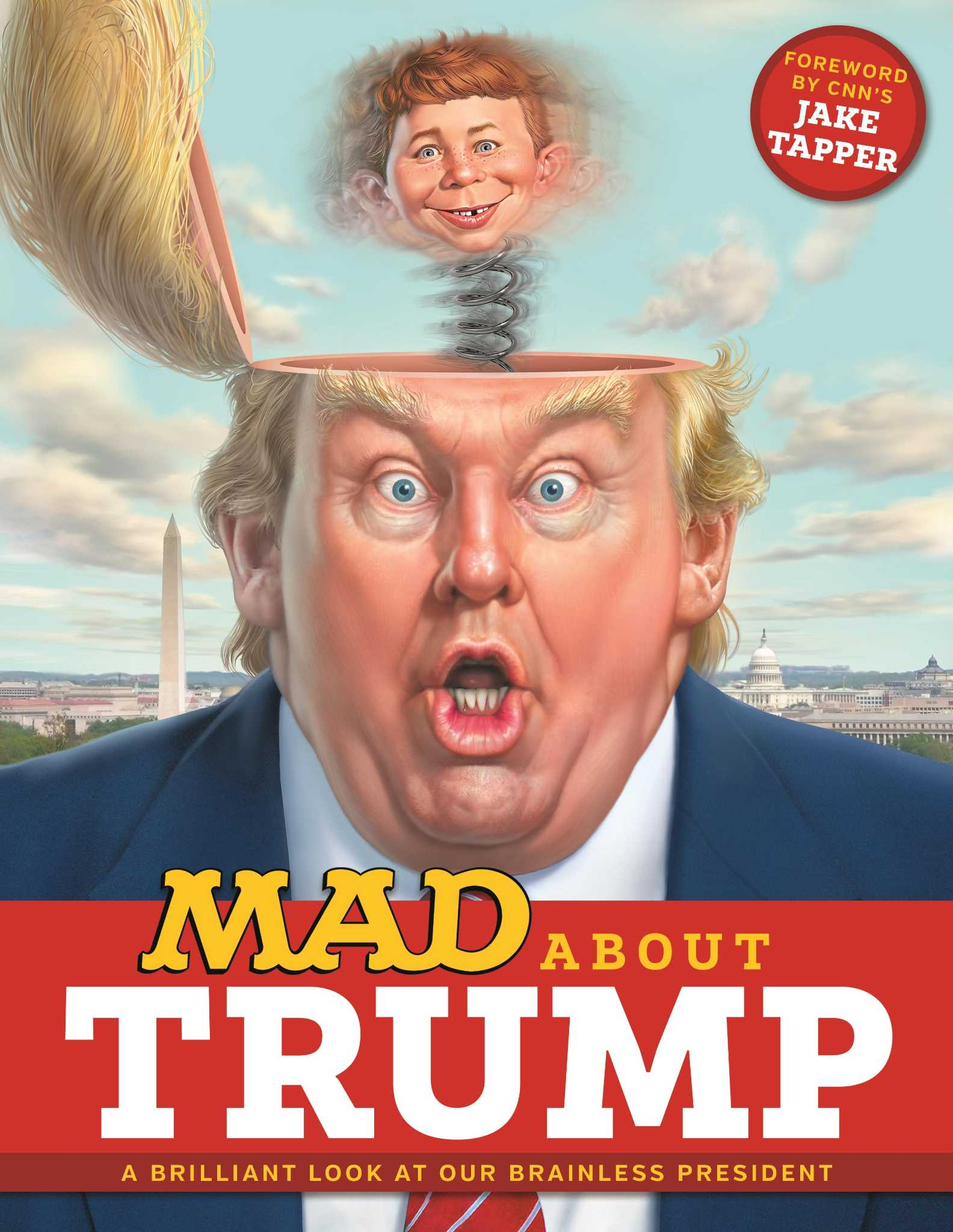
Listening to The Rest Is Politics last week, one of my favourite podcasts, I heard Alastair Campbell, the maestro of spin himself, reveal one of his New Year’s resolutions: to finally understand why people voted for Donald Trump. Alastair, that ship sailed in 2016 and came back again in 2024 with a MAGA flag flying high.
The real question isn’t why people voted for Trump. It’s why anyone thought they wouldn’t.
Let’s break it down. First, Americans had already hired him once in 2016. By 2024, he was not only a known entity but a fixture in their lives—like McDonald’s fries or terrible reality TV. And let’s not forget he was polling well. Yet somehow, this glaringly obvious fact escaped much of the British liberal media. Was it denial? Prejudice?
I’ve always admired Alastair Campbell. His tenacity, intellect, and shared love of football make him a fascinating commentator. But how could someone so sharp, so usually bang on the money, miss the glaring signs that screamed “Trump’s winning again”?
I don’t like Trump—never have, never will. But even I could see the writing on the wall for 2024. Here’s why:
- The Democrats’ Blunders: Watching the Democrats stumble through the electoral process was tired and staid. Biden’s administration felt out of touch, and the party’s inability to connect with everyday Americans was painfully obvious.
- Trump’s Shameless Showmanship: Say what you like about Trump, he knows his audience. Whether he means a word he says (he doesn’t) is irrelevant. He gives his base what they crave—attention and validation.
- Populism on the Rise: In a world leaning into populism like a drunk at closing time, Trump’s bombastic simplicity resonated. “It’s all their fault” is easier to digest than nuanced economic policy.
- Kamala Harris: Let’s be brutally honest. Her being a Black woman is a source of pride for progressives but a problem for some voters in the U.S. It’s ugly, it’s sad, but it’s true. This isn’t Britain, where diversity in leadership is increasingly normalized. It’s a different ballgame. Why didn’t the British media acknowledge this elephant in the room?
- Economic Disconnect: Sure, America’s economic stats look decent on paper. But for many Americans, those numbers didn’t translate into better lives. The Democrats threw a celebrity-studded convention while middle-class families wondered how to pay their bills.
And then there’s Trump, doing podcasts with people you’ve never heard of, in settings that scream “low production value.” Say what you like about the man, but sitting down with Joe Rogan’s cousin’s mailman’s ex-roommate plays well with the “salt of the earth” crowd. It’s relatable, even if the content is trite nonsense.
I remember a British podcast (you know the one) traipsing around the U.S. before the election, interviewing “rednecks” in a bar like they were studying Trump voters in their natural habitat. The host seemed to be pleading with the audience: “See? Look how stupid they are! He can’t possibly win!” The irony, of course, is that this bias mirrored the very behaviour they criticized in Trump himself.
Here’s the crux of it: the British media fail to grasp that different countries have different values. In Britain, we have higher expectations of politicians (or at least pretend to) and a deep-seated belief in decorum. Trump’s antics would never fly here—it’s simply not cricket. But America isn’t Britain. It’s a country built on different ideals, where rugged individualism and bold rhetoric matter more than stiff-upper-lip politeness.
The signs of Trump’s victory were everywhere—economic dissatisfaction, populist appeal, and a Democratic Party that looked like it was campaigning for an Oscar instead of an election. Yet somehow, the media and political elites acted shocked by the inevitable result.
It’s time to accept that America plays by its own rules. And as much as we might dislike Trump, pretending his appeal doesn’t exist is just setting ourselves up for more bewildered podcasts after the next election.

 The Rights of Fans.