
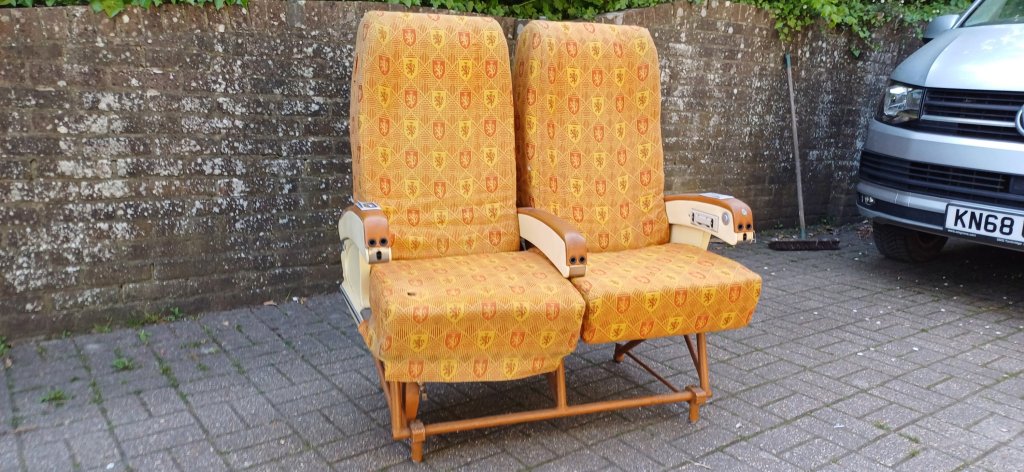
Trust me, I wouldn’t recommend selling online to my worst enemy—unless of course they were trying to sell a 1970s jewel toned aeroplane seat. Then, oddly, it’s the perfect place. Go figure.
Now before you assume I’m trying to protect some closely guarded business secret, let me assure you: I’d love fewer people selling online. Less competition. More sales for me. Bliss. But the truth is, I actively advise against it because, quite frankly, it’s an exhausting and expensive game. Not glamorous. Not easy. Not even particularly fun.
You start with the thrill of listing your treasure. Then you realise you’re already down 20% in selling fees. Most platforms now expect you to offer free shipping, which is hilarious when you’re dealing in furniture. That’s not a “pop it in the postbox” situation. You’re often baking in £75–£100 just to get it out the door with your couriers. If that wasn’t enough, you’re expected to be in a permanent sale mode just to compete with everyone else doing the exact same thing. It’s all psychological apparently.
Still with me?
But… sometimes, just sometimes, it works
Take the jewel coloured aeroplane seat I picked up from auction. It had languished for three weeks, nobody would touch it. Who wants a 1970s aircraft relic anyway? Apparently, no one at the auction. Couldn’t raise £15.
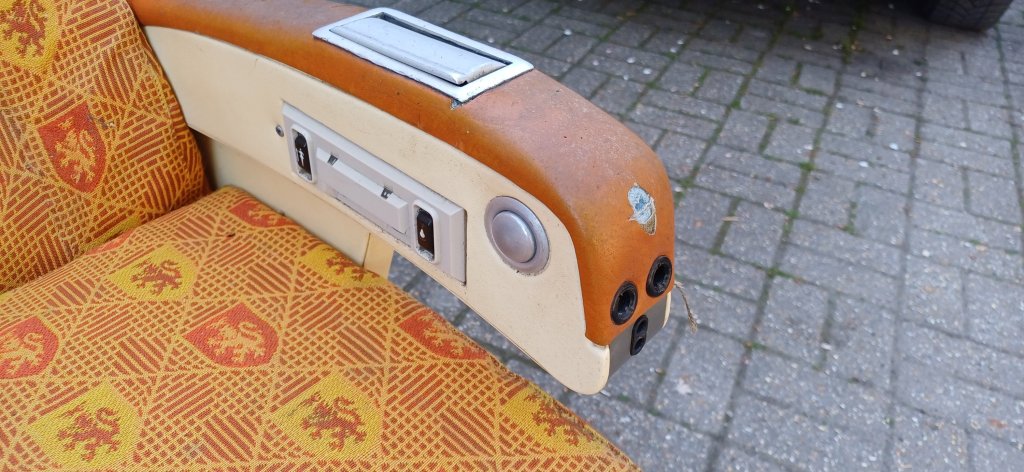
And yet, when I stuck it online—boom. Gone in a flash. For a lot of money.
Why? Because online selling, when it works, puts your oddball treasure in front of exactly the right oddball buyer. Theatre companies, TV studios, hotel designers looking for just the right level of eccentricity, these people live online and quirky is king these days. They’re not browsing antique shops on the High Street hoping to stumble upon a retro aircraft seat. They’re searching for one.
A local company snapped it up. I grumbled a bit at the 20% fee, of course. But truthfully, that’s what you pay for access to the buyers you’d never otherwise get. I’ve run my own website, spent good money trying to generate traffic, and let me tell you, unless you’ve got something truly unique (like, say, a jewel-toned Boeing relic), you’re shouting into the vintage void.
Online platforms are where the action is, especially for niche, theatrical, or “what even is this?” items. Somewhere in Britain, at all times, someone is looking for your weird treasure.
The Conundrum
So here’s my dilemma. I’ve got a warehouse full of furniture and, frankly, I’m tired. I want to slow down. Less hustle, fewer 4am packing sessions, more life. But do I ditch online selling in favour of some charming retail unit in Sussex and a couple of antique fairs? A bit less money, a lot more life.
With physical retail, you get lovely chats with people and no selling fees. Bliss! But then again, you also get footfall that wanders in, strokes a sideboard, and leaves saying they’ll “think about it.” Just as quickly as they forget it. I hope peopen know when they leave a vintage shop pitting the retailer on a false promise, these very words mean, thanks, but no thanks.
Online? You get sales, real sales, but at the cost of postage, commissions, competition, and your will to live.
So yes, selling online works. Sometimes. Brilliantly, actually. But is it worth the cost? Depends on how much time, energy, and sanity you’ve got to spare.
Me? Still deciding.
#Vintage Seller Life #Online Selling Truths #Retro Treasure Hunt #Ecommerce Exhaustion #Weird And Wonderful Finds

 The Rights of Fans.