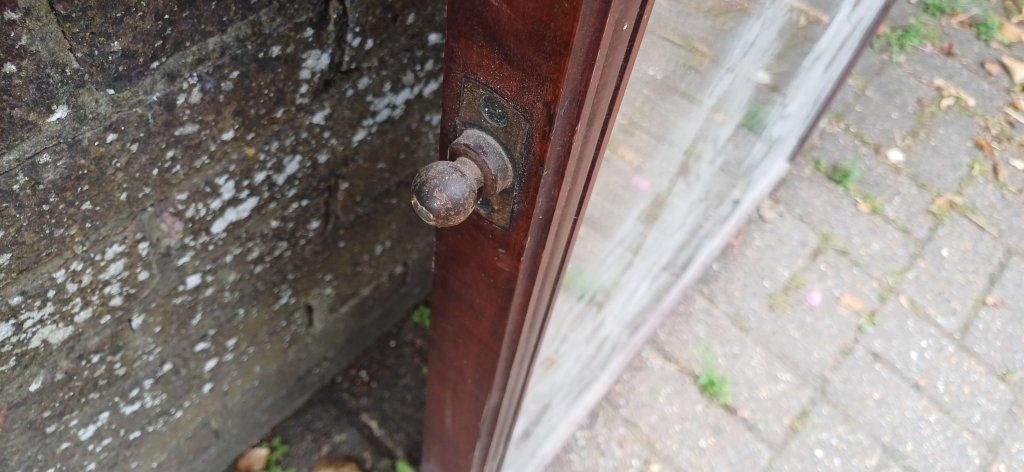
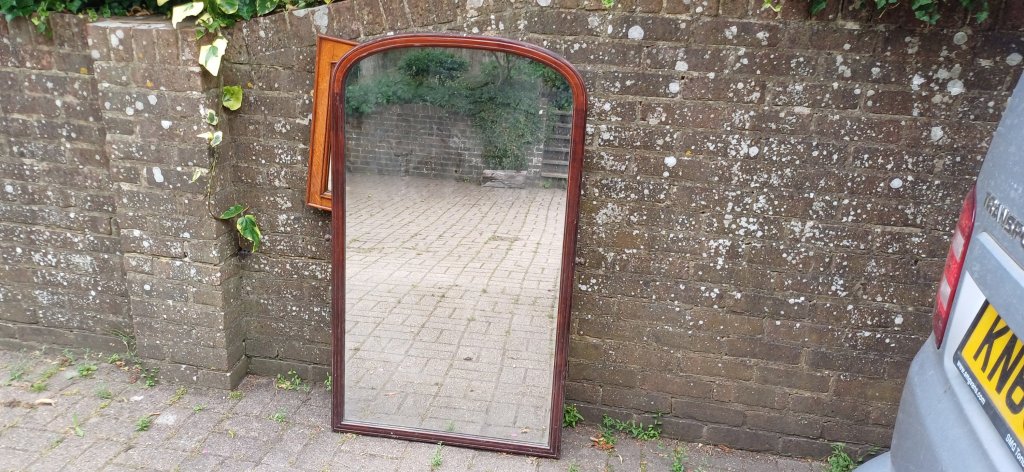
I bought two beautiful 19th Century mirrors this morning at Ford Market near Arundel, you can see them, still dusty in the images.
Over the last couple of centuries, the vintage furniture trade has ended up with a small army of orphaned mirrors. Wander around any antiques fair or flea market and you’ll spot them instantly, half the mirrors on display still have little metal fitments poking out the sides, stubborn reminders of their past lives.
Most of these were once happily attached to dressing tables or, in the case of grand Victorian mahogany monsters, part of freestanding cheval mirrors. But times change, tastes evolve, and frankly, many people now find these chunky setups a bit too cumbersome for modern interiors.
Instead, customers today prefer a sleek chest of drawers with a minimalist wall mounted mirror, something that feels lighter and doesn’t require you to sacrifice half your bedroom floor. The same goes for cheval mirrors: their elaborate wooden supports might have looked fabulous in a 19th-century manor but are often just too bulky for today’s cosier spaces.
Naturally, as fashion moved on, the mirrors were unceremoniously separated from their bases. Dressing tables lost their reflective partners and became ordinary chests of drawers. It happens. Changing tastes, time and fashion wait for no one.
I have over 300 mirrors for sale in my online shop, and I’d say at least half were once part of a dressing table. Which leads to a curious little conundrum: what on earth do you do with those leftover axis mechanisms sticking out the sides?
I used to diligently remove them and fill the gaps with wood filler, hoping to make the mirror look like it had always been destined for a wall. Truth be told, it was a miserable job. Those mechanisms are often deeply embedded, requiring a heroic amount of filler, and patience, to get a halfway decent finish. I have no patience.
But lately? I’ve decided to leave them on. Why hide the past? A big part of what people love about vintage items isn’t just their craftsmanship, it’s their history and quirks. Those little knobs and brackets are characterful evidence that your mirror once stood proudly atop a dressing table. They spark conversations and prove you don’t need everything to be squeaky clean or “perfect.”
Sometimes, those fitments are even useful—like on the enormous mirror I bought this morning in the photos, which you can hang in your hallway and use the little knobs to suspend your keys. Practical and charming. The other mirror, the smaller one behind it, the fitment is actually really pretty.
Of course, if you have a super sleek, Art Deco full length mirror with clean lines, leaving the chunky hardware attached will look…well…crap. In those cases, I do recommend tidying things up. But for most vintage pieces that ooze personality, I’d say embrace the quirk and let the fitments stay.
And if a buyer prefers them removed, they can always do it themselves. I take the same approach with brassware these days, I leave the tarnish and let the customer decide whether to polish or keep the patina. ( yes, I freely admit, it saves me a bit of work.)
So next time you’re strolling around an antiques fair or snooping around someone’s house, have a look at the sides of their old mirrors. You’ll start to notice who’s hidden the evidence and who’s proudly letting those old fitments tell their story.
#Vintage Mirrors #Antique Decor #Mirror History #Dressing Table Mirrors #Embrace The Quirk

 The Rights of Fans.