There are certain songs you hear as a child that never quite leave your head. One of those for me was Run Rabbit Run. I remember it vividly from the 1970s—its bouncy tune, the cheerful chorus, and the slightly sinister undertone of the farmer with his gun. My brother and I had an old fashioned gramophone and I remember we had a choice of five of seven inch singles.
Due to the utter repetition caused by being so enthralled with making your own sound, the five singles were played to death and this one in particular sticks, because it is funny in a macabre way that at the time it wasn’t.
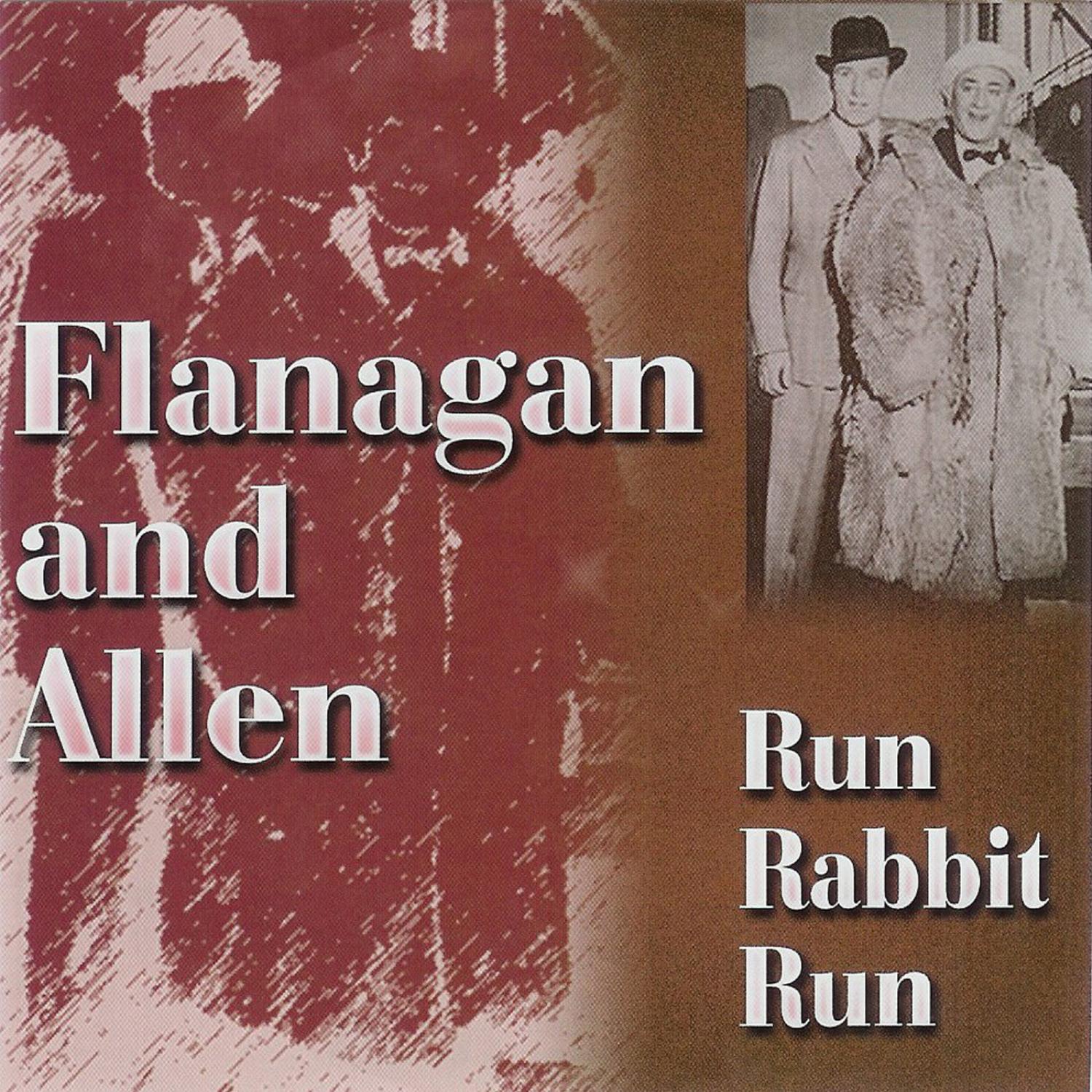
Originally written in 1939 by Noel Gay and Ralph Butler, Run Rabbit Run became a huge hit when it was performed by the popular comedy duo Flanagan and Allen. Though it sounds like a harmless children’s ditty about rabbits scampering away, it was actually a wartime morale-booster. During the Second World War, the lyrics were partly a tongue in cheek jab at the Luftwaffe’s bombing raids “run rabbit, run” became a sly way to poke fun at the enemy.
But even before and after the war, it was simply a catchy, singable tune that kids would chant on playgrounds. The words are unmistakable:
Run rabbit, run rabbit, run, run, run
Run rabbit, run rabbit, run, run, run
Bang bang bang bang goes the farmer’s gun
Run rabbit, run rabbit, run, run, run
Later verses added:
On the farm every Friday
On the farm it’s rabbit pie day.
These two lines stick with me because you never really thought of their meaning, it was just cute little bunnies running away from a farmer, but today those lyrics would be regarded as menacing.
Today, it’s almost impossible to imagine a children’s song openly celebrating shooting rabbits and turning them into pies. In the 1930s and 40s, this was simply the reality of farming and living in the stix. Wild game etc was an important source of protein. Even into the 1970s, many children grew up with grandparents or neighbours who still remembered eating rabbit regularly.
Yet cultural attitudes have shifted dramatically. Modern children’s media is far less likely to depict hunting in such a jovial, jaunty, matter of fact way. It’s not that rabbit pie doesn’t exist, obviously, plenty of rural traditions continue, but the casual normalisation of shooting animals for supper would likely be considered inappropriate or insensitive in a song aimed at kids today.
The Ethics of Hunting Today
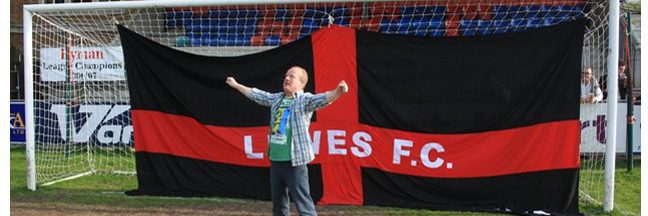
These changes also reflect a broader debate about hunting and animal welfare. I’d go onto stand at the entrance to the annual South of England Show, an agricultural celebration, with some mates and a huge ‘Hunting is Barbarism’ banner. That went down well, but eventually most of the country agreed.
In the UK, regulated shooting of wild game still happens, but it’s subject to much greater scrutiny. For some, proper hunting, not fancy dress with hounds, is a deeply held rural tradition, part of sustainable land management, controlling overpopulation, and sourcing meat locally rather than relying on industrial farming.
For others, it’s an ethical grey area or something they oppose entirely. The idea of killing animals for food, especially when alternatives are so readily available, can seem unnecessary or cruel. When you step back and look at the lyrics of Run Rabbit Run, it’s not hard to see why many people would feel uneasy. The song doesn’t just describe hunting; it makes it sound cheerful, inevitable, and even funny.
That’s why it fascinates me as a cultural artifact. It captures a moment in history when attitudes were simpler, naïve maybe, or perhaps just more blunt. Today, it feels both nostalgic and jarring, reminding us how much our views on animals and food production have evolved.
When I think back to singing Run Rabbit Run as a child, it’s a reminder that the past was often far less sanitised, and a lot more complicated, than we remember.
If you’re interested in hearing the original version, look up Flanagan and Allen’s 1939 recording. Just be warned: you may end up humming it all day.
#Run Rabbit Run #Flanagan and Allen #Vintage Childrens Songs #Cultural History #Political Correctness

 The Rights of Fans.