There is a link to 5 other blogs I have written about The Clash at the bottom of the blog.
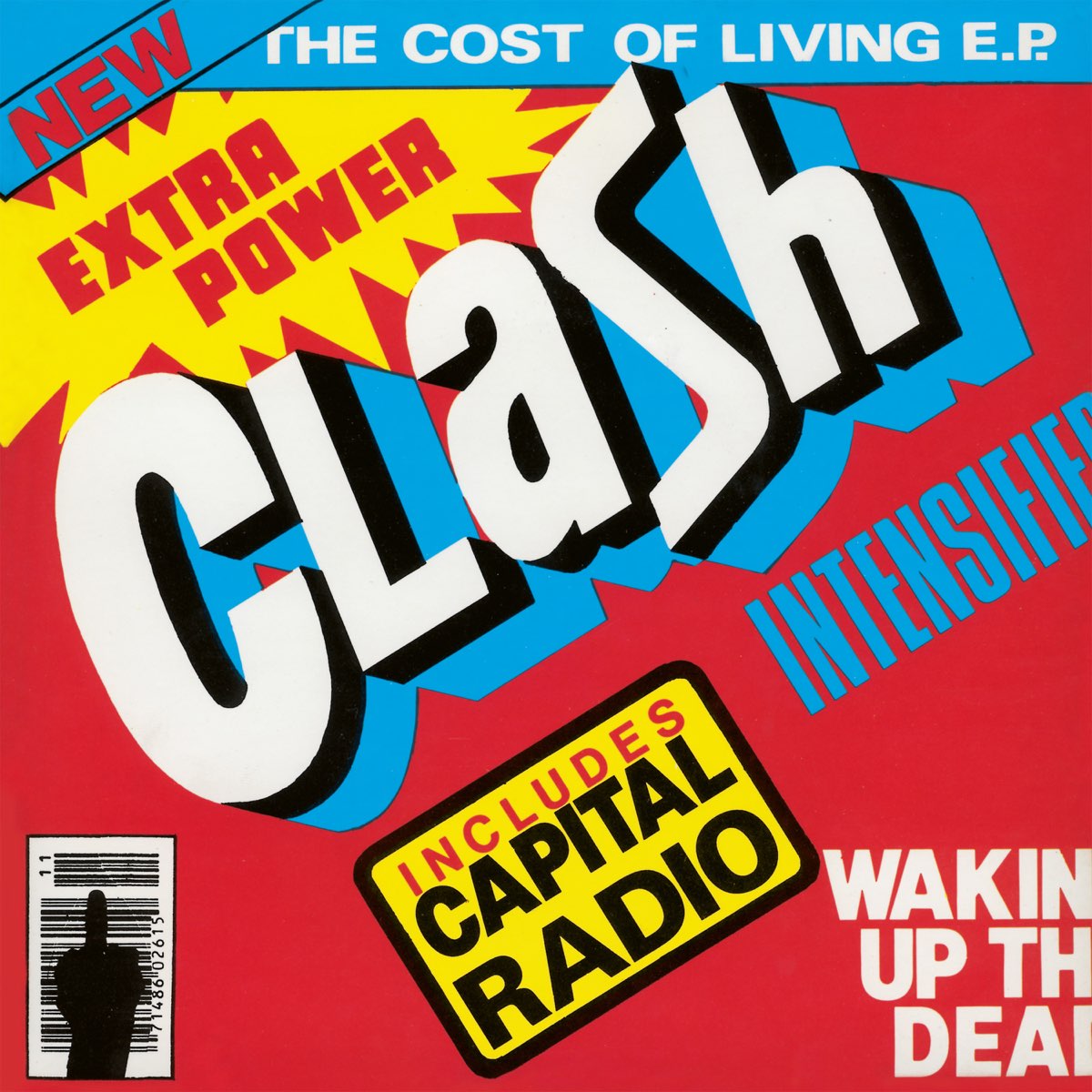
When you look back at The Clash’s discography, it’s tempting to jump straight from their ferocious debut to the iconic masterpiece of London Calling. But in between came the rather dismal Give ’Em Enough Rope, patchy, despite some strong moments, it has often been regarded as the band’s weakest studio effort. Sandwiched right between the two sits The Cost of Living EP, a short, punchy record that quietly laid the groundwork for one of the greatest albums ever recorded. A return to form, four great tracks out of four, rather than the five or six on Rope.
Recorded in spring 1979 at Wessex Studios in London, The Cost of Living EP marked a pivotal turning point for The Clash as they moved beyond the raw punk of their early records. Released in May 1979, the EP showcased a cleaner production style and included their powerful cover of “I Fought the Law,” which became a breakout hit and reached No. 22 on the UK Singles Chart. Recorded at the Wessex Studios, while some fans assume it was recorded at the same time as London Calling, the sessions actually took place months earlier; the band returned to Wessex Studios in August to begin recording London Calling, which would be released that December. As a creative bridge between their early punk ferocity and their more ambitious songwriting, The Cost of Living EP helped set the stage for The Clash’s most celebrated work.
The Cost of Living felt like the first confident step out of the creative doldrums that dogged Give ’Em Enough Rope. That album, produced by Sandy Pearlman of Blue Öyster Cult fame, sounded polished to the point of sterilisation. Many fans felt it had lost the ragged immediacy and authentic urgency that had defined The Clash’s debut. Sure, it had big singles like “Tommy Gun,” but the record’s bloated, arena-ready production sometimes smothered the band’s energy.
Contrast that with The Cost of Living, and you hear a group finding its footing again. In just four tracks, The Clash managed to recapture their punk grit while simultaneously pointing toward the rich stylistic range they would soon unleash on London Calling.
“I Fought the Law” Their cover of this classic was a revelation—a tight, swaggering, melodic rocker that became an instant anthem. It proved they could reinterpret American rock and roll without sounding like they were pandering. This track alone was a preview of the band’s ability to merge punk urgency with broader, timeless influences, something London Calling would do across an entire double album.
“Capital Radio Two”
A re-recording of their earlier “Capital Radio,” this version was longer, harder, and more sophisticated. It was evidence of how their songwriting had matured in just two years, and it put their defiance front and center again.
“Groovy Times” and “Gates of the West”
These two songs captured a subtler, more introspective side that had been missing on Rope. “Groovy Times” lamented urban decay with real poignancy, while “Gates of the West” celebrated their first American tour—a lyrical theme they’d later expand in London Calling.
When London Calling finally arrived in December 1979, it was clear The Clash had undergone a transformation. That record is widely considered one of the best albums ever made, and for good reason. It blended reggae, ska, rockabilly, pop, and punk with effortless confidence. It showcased a band bursting with ideas and unafraid to experiment, yet still anchored by a fierce social conscience.
The Cost of Living was the precursor EP that proved The Clash were ready to leave behind any creative stagnation. All four tracks were brilliant—vital, catchy, and surprisingly mature. They showed the band at a peak of purpose, bristling with the determination to make something lasting.
In hindsight, you can hear The Cost of Living as the missing link: the moment when The Clash stepped out of the shadow of Give ’Em Enough Rope and set their sights on something much bigger. It’s no exaggeration to say it was the spark that ignited London Calling. If you’ve never spent time with it, it’s worth listening too closely again. When it came out, we were all blown away by ‘I Fought the Law’ but take a more introspective listen, you’ll really appreciate the depth of it, hear a band on the cusp of greatness, hungry, unshackled, and ready to make history.
If there’s any lingering doubt about just how revered London Calling has become, you only have to look at the endless parade of “greatest albums ever” lists that shower it with praise. Rolling Stone magazine famously ranked it #8 in their 500 Greatest Albums of All Time—higher than records by Bob Dylan, Prince, and The Rolling Stones—and in their updated 2020 list, it still landed impressively at #16, a testament to how timeless it remains.
#The Clash #Cost Of Living EP #London Calling #Punk Tock History #Classic Albums

 The Rights of Fans.