Few football chants are as instantly recognisable, or as gleefully insulting as the timeless insult:
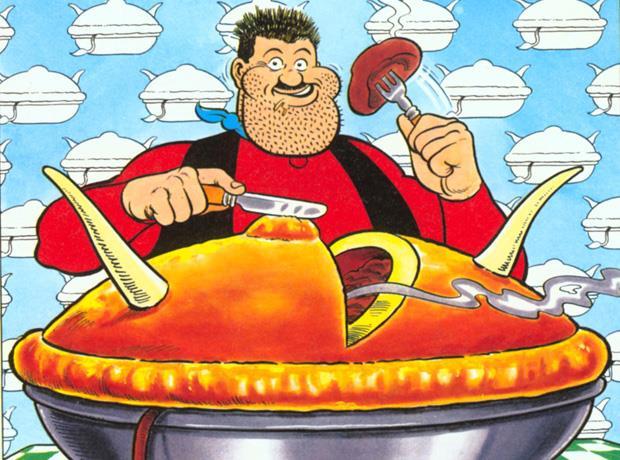
Who ate all the pies?
Who ate all the pies?
You fat bastard, you fat bastard,
You ate all the pies!
It’s a song that has resonated around British terraces for decades, aimed at hapless goalkeepers, aging full backs, portly linesmen, rival fans, or even your own mates, walking out of a familiar clubhouse chomping on something hot and full of fat, salt and cheap meat (offal). But where did it come from? And why has it all but disappeared from the modern stadium soundtrack?
I remember at Selhurst Park during the 80s, fans chanting it while chomping away on their Rossi Refreshments. My mate who was a chef consumed those dreadful pies with an uncanny ease.
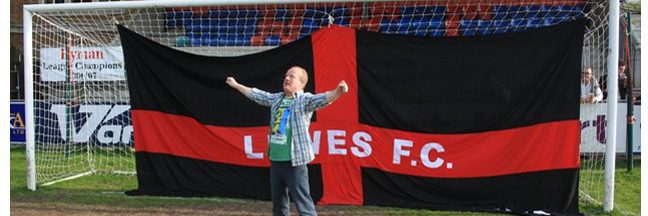
But it was when I switched to non league at Lewes FC, where ex seasoned pros would waddle around, seemingly having semi-retired near a pie factory, with their skills on the wane, fitness already waned, making them a perfect target.
This is the story of a chant that captured the humour, cruelty, and culture of football, and why it’s fading into memory.
The Humble Beginnings: Billy “Fatty” Foulke
The roots of Who Ate All the Pies? stretch back to the turn of the 20th century and the figure of William “Fatty” Foulke, a giant goalkeeper who played for Sheffield United and Chelsea around 1900.

Foulke stood 6 foot 4 and weighed over 20 stone (more than 280 pounds). His size made him a crowd favourite, and an irresistible target for mockery. Local newspapers from the period describe fans singing songs and shouting rude jokes about his appetite.
Although there’s no definitive proof that the chant existed in its modern form back then, many historians agree that Foulke’s legendary girth sparked the early “pie-eating” taunts that evolved over time into something more structured.
The Rise of a Terrace Classic
The chant itself didn’t appear fully formed in newspapers until much later.
During the 1930s, Midlands and Northern newspapers described “the song about pies” without printing the exact words. It wasn’t until the 1960s that reporters began quoting the lyrics verbatim.
By then, Who Ate All the Pies? was already spreading through the lower leagues of English football. It quickly became part of the culture, an unfiltered terrace piss take that perfectly captured the working class spirit of the sport: loud, funny, occasionally cruel, and always communal.
From the 1970s onwards, it was a staple in fanzines, tabloid football columns, and even BBC commentary. Whether sung with genuine scorn or affectionate humour, it cemented itself as one of football’s most recognisable songs.
The Anatomy of the Chant
What made Who Ate All the Pies? so enduring?
It was short, easy to remember, especially if you were pissed, and instantly understood by everyone in the ground. It worked on multiple levels:
- Directed at players: Often at big goalkeepers or defenders who looked less than athletic.
- Directed at referees or linesmen: Especially if they’d made an unpopular decision and looked even slightly overweight. The officials at non league consider a paunch a badge of honour.
- Directed at away fans: When you needed a quick, all purpose insult. Doubled up with ‘we can see you sneaking out’ it was a double header of an insult.
- Directed ironically at yourself or your own supporters: A cheeky way of embracing self deprecation.
The chant’s simplicity made it versatile and universal, no one was safe.
The Wayne Shaw Saga
One of the most famous modern echoes of the chant came in 2017.
Wayne Shaw, a 23-stone reserve goalkeeper for non-league Sutton United, found himself at the centre of a bizarre national spectacle. During an FA Cup tie against Arsenal, he was filmed eating a pie on the sidelines.
The incident went viral. Tabloids couldn’t resist headlines reviving Who Ate All the Pies? and millions shared the clip. Bookmakers had even offered odds on Shaw doing exactly that, leading to an FA investigation
It was a reminder that in football, the line between folklore and reality can blur in spectacular fashion.
Why Has the Chant Faded?
While Who Ate All the Pies? isn’t completely extinct, it’s now far rarer in professional stadiums. There are several reasons:
1. Changing Demographics
Today’s football crowds are wealthier and more middle class.
The era of cheap terraces and standing sections gave way to all seater stadia and expensive season tickets. As the sport rebranded itself as a family product, rough terrace humour lost ground.
2. Political Correctness and Body Positivity
As society became more sensitive to issues of body shaming and bullying, clubs and broadcasters began clamping down on chants that could be perceived as discriminatory.
While many still see Who Ate All the Pies? as harmless banter, others view it as an outdated relic of less inclusive times.
3. Fitter Footballers
Modern professionals are leaner and more athletic than ever.
In the 1970s and 1980s, you could still find burly centre-halves or keepers carrying visible bulk. Today, with nutritionists and personal trainers monitoring every calorie, the stereotype of the fat footballer is largely extinct.
4. Sanitised Stadiums and TV Coverage
Premier League clubs carefully curate their brand image.
Chants that risk controversy are often drowned out by piped in music or quietly muted on TV broadcasts. Football has moved from spontaneous chaos to slick entertainment sometimes to the detriment of the old atmosphere. ‘We’d like to apologise to our viewers for the chant about the pies.’
Non League: The Last Bastion of the Pie Chant and Football Culture
Non league football is the last great refuge of the unfiltered, passionate, and hilariously inventive chants that once defined every ground in Britain. When you walk into a non-league stadium, you’re not just paying to watch a game, you’re stepping into a community where voices still matter more than marketing, and where the songs belong to the supporters, not the sponsors. Where winning and losing isn’t the holy grail. From the first whistle to the final pint, the atmosphere feels raw and authentic in a way the polished tiers of the Premier League can no longer replicate. The terraces ring with old favourites like Who Ate All the Pies? not because they’re part of a curated experience, but because they spring up naturally, shouted with the kind of humour that has always made English football unique.
In our smaller grounds, unburdened by corporate hospitality and television schedules, you find the true spirit of the game: drinking, banter, lifelong friendships, and the joy of following your club rain or shine. Non-league fans carry the torch for a culture built on wit, loyalty, and shared history. Lots of us dropped from following our big boyhood clubs to non league to reawaken the lost beauty of good old fashioned football culture. This is why non-league football doesn’t just preserve songs like Who Ate All the Pies? it keeps alive the entire heritage of supporter-led passion that made football more than a business. If you want to hear real voices, real attitude, real peopke cheering on their town, and feel what the sport used to be before it was branded and bottled, there is nowhere better than a non league terrace, ahem, or grassy pitchside.
#Football Culture #Non League Football #Terrace Chants #Non League Football #Lewes FC

 The Rights of Fans.