
by Chris Harris
Why One of the World’s Most Elegant Furniture Styles Isn’t What You Think
If you’ve ever picked up a Lloyd Loom chair and run your hand across its smooth, fabric like surface, the last thing you’d imagine is that it’s made, quite literally, out of paper. Not cane, not wicker, not rattan. Just strong, cleverly engineered paper wrapped around wire and woven on a loom. Yet, this humble material became one of the most iconic furniture innovations of the 20th century. Today, Lloyd Loom pieces are prized by collectors, interior designers and vintage lovers. But the real story, how paper became one of the most durable and stylish materials in furniture design, is even more fascinating.
The Surprising Invention: Paper + Wire = Lloyd Loom
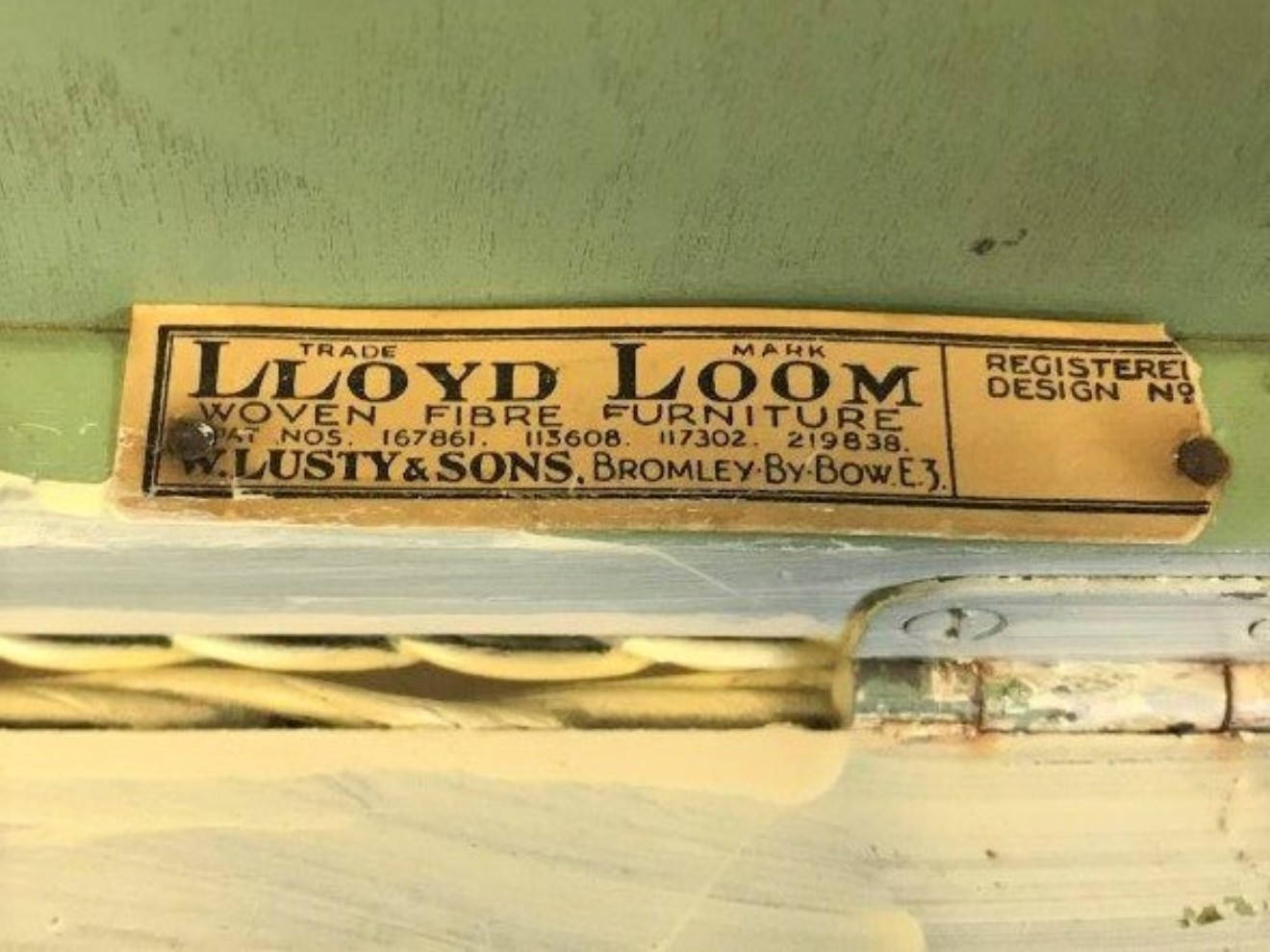
Lloyd Loom was invented in 1917 by Marshall Burns Lloyd, an American entrepreneur who set out to create a wicker alternative that was smoother, stronger and more comfortable than traditional natural fibres. His breakthrough came when he twisted kraft paper around a steel wire to create a tough, flexible thread that could be woven on a loom. The result was a material that looked a little like wicker but felt closer to a textured fabric, offering strength, uniformity and elegance in a way natural wicker simply couldn’t. Lloyd patented the method and quickly licensed it internationally. In the UK, the well known manufacturer Lusty’s took the invention to new heights, turning Lloyd Loom into a household name.
Why Use Paper at All?
Using paper as a main material may sound bizarre, but industrial kraft paper, when spun or twisted, has enormous strength. Combined with a steel core, it produced a material that was both sturdy and flexible, capable of forming the soft curves and sweeping shapes that later became synonymous with Lloyd Loom. It was also inherently smooth, meaning no splinters and no rough edges. Just as importantly, it could be painted with ease, which is why classic Lloyd Loom pieces frequently appear in calm shades like cream, green, duck-egg blue and soft white. The material was lightweight and durable, easy to manufacture quickly and far more consistent than natural wicker. All of this meant that Lloyd Loom not only worked as a material, it outperformed many of the natural fibres it was created to replace.
How Lloyd Loom Is Made
The basic production method has barely changed in a century. Long strips of sturdy kraft paper are tightly twisted around metal wire to form the distinctive thread. These threads are then woven on a loom into large sheets, creating that iconic, fabric-like texture. The woven sheets are stretched over wooden frames, stapled securely into place and then painted, often in multiple layers for protection and a smooth finish. The result is the unmistakable look and feel of Lloyd Loom, elegant, seamless and remarkably strong.
The Golden Age: Britain Falls in Love
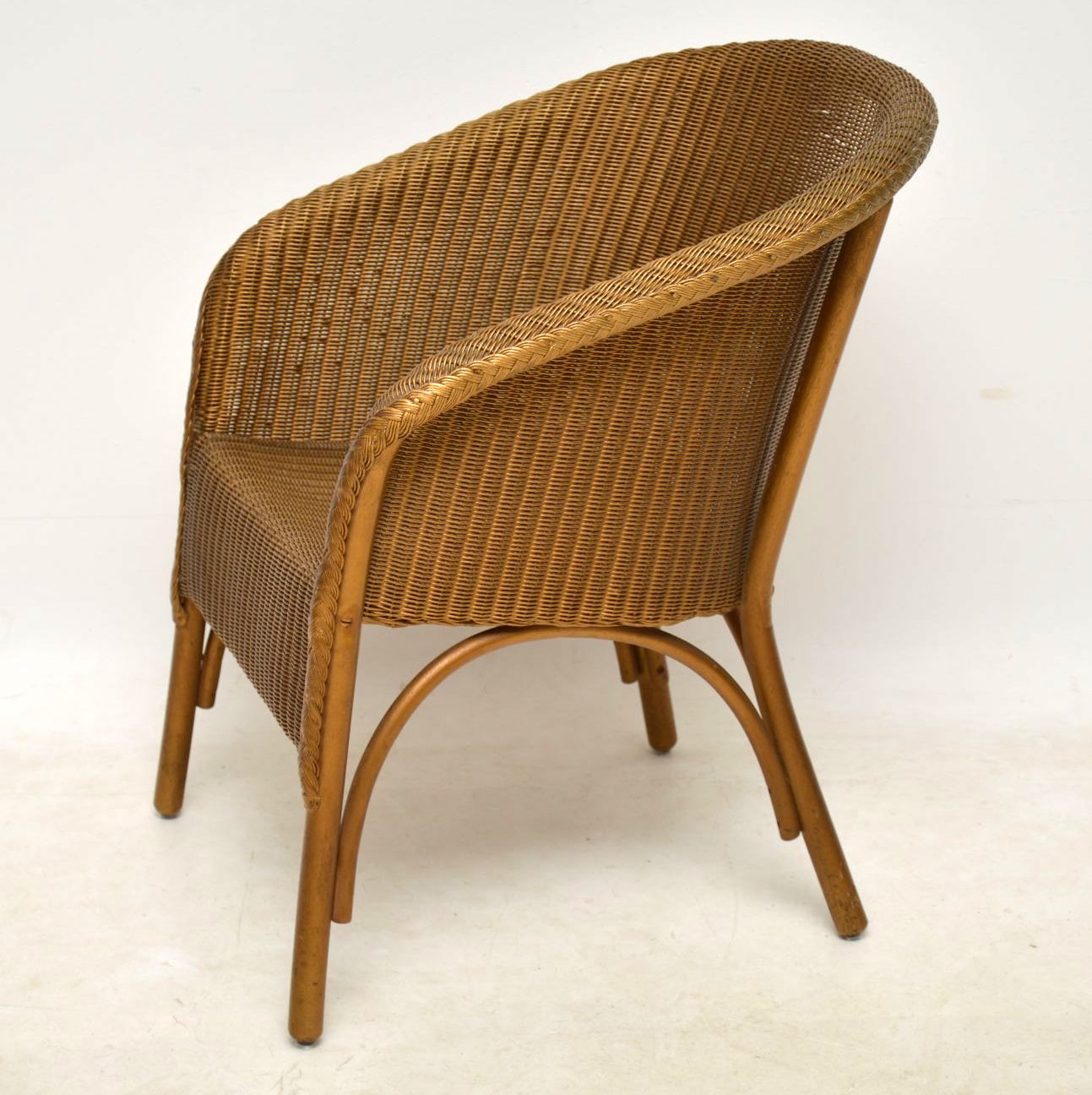
By the 1930s, Lloyd Loom furniture had become a British staple. It was found on ocean liners, in grand hotels, in tea rooms, department stores, conservatories and bedrooms across the country. Lusty’s popularised the iconic Lloyd Loom laundry basket, which became a fixture in British homes for generations. At its height, more than ten million pieces of Lloyd Loom furniture had been produced worldwide. Its popularity stemmed from the fact that it felt both luxurious and familiar, combining comfort and style in a way that suited the evolving tastes of the early to mid-20th century. It blended effortlessly with Art Deco interiors, but also worked beautifully in modest suburban homes, hotels and seaside resorts. Lloyd Loom quietly became part of British design history without ever really going out of fashion.
In the End, Lloyd Loom’s Secret Is Simple
For all its elegance, Lloyd Loom is proof that extraordinary design does not require exotic materials. It requires ingenuity. Paper, the simplest, most everyday material of all, became the backbone of one of the most enduring and stylish furniture types ever invented. The fact that people still raise their eyebrows and say “Wait… this is made of paper?” is part of the charm. A century later, Lloyd Loom is still manufactured, still collected, still used in interiors across the world and still surprising anyone who learns its secret for the first time.
#LloysLoom #LloydLoomLusty #Lustys #RetroFurniture #RetroBathroom

 The Rights of Fans.