
by Chris Harris
The Curious Pattern in Georgian and Victorian Chairs
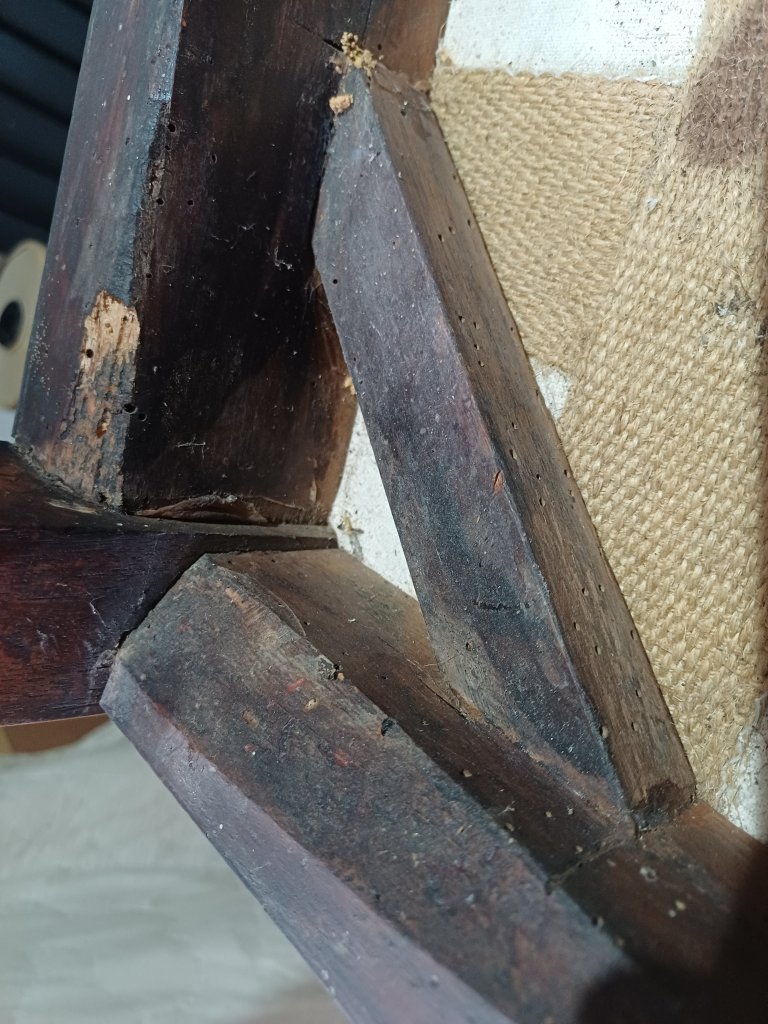
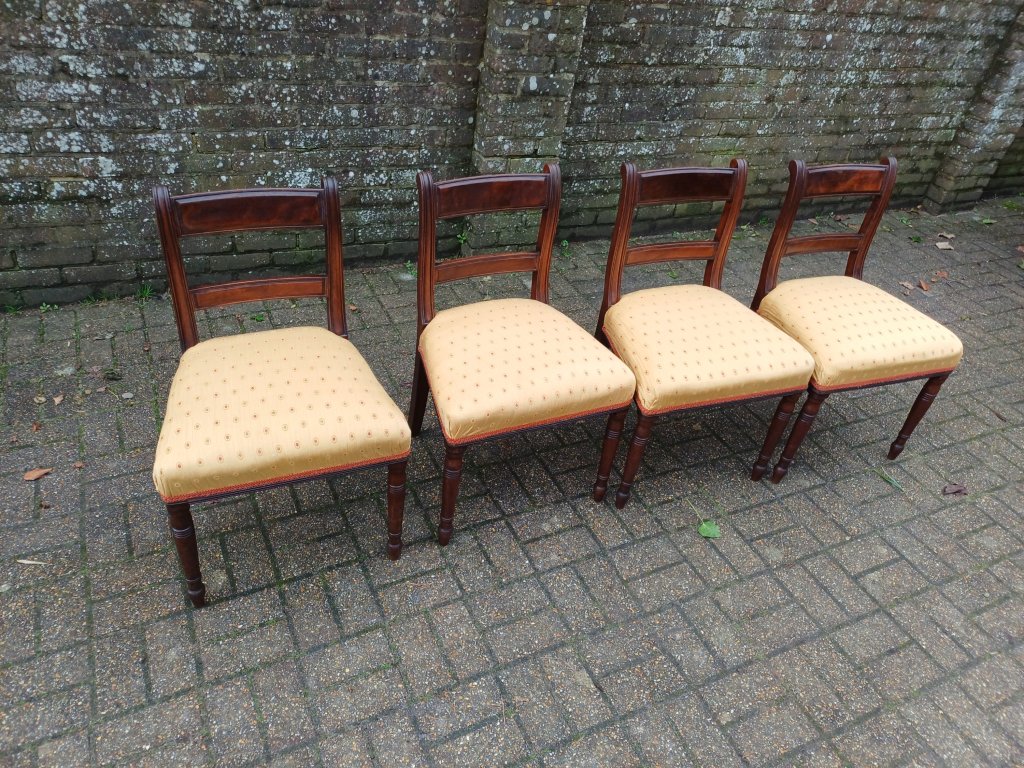
Anyone who has handled enough Georgian and Victorian dining chairs will recognise the pattern. The craftsmanship is superb. Solid mahogany, rosewood, walnut or oak. Elegant proportions. Strong joints that have held firm for two centuries. The visible surfaces are polished and refined, often beautifully patinated by age and use. Then you turn the chair over and the underside of the seat rails is marked with small woodworm holes. The legs are clean. The back splat is untouched. The exposed hardwood appears sound. The holes are nearly always confined to the hidden parts. It feels curious at first, especially given the quality of the timber.
Why Woodworm Choose the Underside
The explanation is practical rather than mysterious. The common furniture beetle lays its eggs in places that are dark, undisturbed and slightly humid. The underside of a seat frame provides exactly those conditions. It is rarely handled and often left as bare timber. Dust gathers there and upholstery webbing can hold small amounts of moisture. In contrast, the visible parts of a chair were traditionally polished, waxed or varnished. These finishes seal the surface and make it harder for beetles to penetrate. They are also exposed to light, movement and airflow, all of which reduce moisture. Beetles are not choosing to avoid the visible areas out of preference. They are simply selecting the areas that give their larvae the best chance of survival.
Timber Structure and Historic Infestation
A further factor is the structure of the timber itself. Even in high quality antique hardwood furniture, not every component is cut from the same part of the tree. Seat rails may include more sapwood, which contains higher nutrient content and is softer than dense heartwood. Larvae can feed more easily on this material. Moisture content also matters. Woodworm typically require timber above a certain moisture level, and the underside of a chair is more likely to retain that slight dampness than exposed legs and backs. As a result, infestation evidence is concentrated where conditions once favoured it.
And in most cases the damage is historic rather than active. Many antique chairs spent part of their lives in barns, attics or unheated storage before entering modern dry homes. Once the timber dries out, the lifecycle ends. If there is no fresh dust and no new activity, those small holes are simply part of the chair’s history. Understanding this pattern helps separate genuine age from cause for concern and explains why the finest antique chairs so often carry their wormholes discreetly underneath.
#Treating Woodworm #Vintage Woodworm #Antique Repairs #Antique Woodworm #Antique Restoration

 The Rights of Fans.